
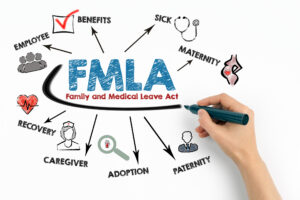
The Family and Medical Leave Act provides eligible employees with job-protected time off to address serious health conditions that prevent them from performing their job duties. When an employer denies a legitimate leave request, despite proper medical documentation, employees may be left choosing between their health and their paycheck. Understanding how to challenge an unlawful FMLA denial starts with knowing what the law requires and how to document the employer’s failure to comply.
What Qualifies as a Serious Health Condition Under FMLA
FMLA leave applies to conditions that involve inpatient care or continuing treatment by a healthcare provider, including chronic illnesses, conditions requiring surgery and recovery, or health issues that periodically incapacitate an employee. Eligible employees who have worked for a covered employer for at least 12 months and met minimum hours requirements are generally entitled to up to 12 weeks of unpaid, job-protected leave for their own serious health condition.
Common Ways Employers Wrongfully Deny FMLA Leave
Improper denials can take several forms, including:
- Claiming an employee is ineligible without properly verifying hours or tenure
- Disputing the medical certification without requesting appropriate clarification through proper channels
- Pressuring an employee to resign or continue working rather than approving requested leave
- Failing to respond to a leave request within required timeframes
- Retaliating against an employee for submitting a leave request by altering job duties or reducing hours
Building a Strong FMLA Denial Claim
To challenge an unlawful denial, employees should gather:
- The original leave request and any medical certification submitted
- Written communications from the employer regarding the denial
- Documentation of eligibility, including hire date and hours worked
- Records of any medical appointments, treatments, or hospitalizations related to the condition
- A timeline showing when leave was requested, denied, and any resulting workplace consequences
What Remedies Are Available for FMLA Violations
Employees whose FMLA rights are violated may be entitled to reinstatement, back pay for wages lost due to improper denial, and compensation for related damages. In some cases, employers who willfully violate FMLA protections may also face additional liability, particularly when the denial results in job loss or serious financial hardship.
Why Employers Sometimes Dispute Legitimate Claims
Employers may attempt to argue that medical documentation was insufficient or that the condition didn’t meet the threshold for FMLA coverage, even when a treating physician has clearly certified the need for leave. Because these disputes often hinge on medical detail, having thorough, well-documented certification from a healthcare provider is essential to overcoming employer pushback.
What Should You Do If Your Leave Request Was Denied?
Employees facing an FMLA denial should request the reason for denial in writing, keep copies of all medical documentation submitted, and avoid resigning or agreeing to unfavorable terms before understanding their legal options. Prompt action helps preserve evidence and protects against further retaliation.
Get Help Securing the Leave You’re Entitled To
No employee should have to fight for time off to address a serious health condition. PLBH helps employees challenge unlawful FMLA denials and hold employers accountable for violating leave protections. If you or someone you know has been wrongfully denied medical leave, contact PLBH at (800) 435-7542 to discuss your legal options.