
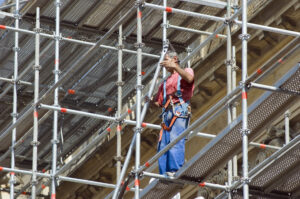
Falls from scaffolding are among the most common and dangerous workplace accidents, often leading to serious injuries. If you have fallen from scaffolding on the job, taking immediate action is essential to protecting your health, securing workers’ compensation benefits, and holding responsible parties accountable.
Preserving witness statements and evidence can significantly strengthen your claim and ensure you receive the compensation you deserve. Contact PLBH at (800) 435-7542 for help with workers’ compensation claims.
Seek Medical Attention Immediately
Your health should be the top priority after a scaffolding fall. Even if your injuries seem minor, seeking medical attention is crucial for both your recovery and your workers’ compensation claim.
- Some injuries, such as concussions, internal bleeding, and spinal damage, may not be immediately apparent.
- Delaying treatment can worsen your condition and give insurance companies a reason to deny your claim.
- A medical report serves as crucial evidence linking your injuries to the accident.
After receiving treatment, follow all medical recommendations and keep detailed records of your diagnosis, prescriptions, physical therapy, and any work restrictions.
Report the Fall to Your Employer
Workplace injuries must be reported as soon as possible. Failing to notify your employer promptly can lead to delays or denials in your workers’ compensation claim.
- Inform your supervisor or site manager immediately after the accident.
- File a formal incident report and request a copy for your records.
- Ensure that your employer documents the accident properly, as this report will be critical for your claim.
Preserve Evidence from the Accident Scene
Documenting the scene of the accident is essential to proving how the fall occurred and establishing liability. If possible, collect the following evidence before leaving the job site:
- Photographs of the scaffolding and work environment – Capture images of any defective equipment, missing safety features, or hazardous conditions that contributed to the fall.
- Your injuries – Take pictures of visible injuries as soon as possible after the accident.
- Protective gear – If your safety equipment was faulty or missing, document its condition.
If you are unable to gather evidence due to your injuries, ask a trusted coworker to take photos and notes on your behalf.
Obtain Witness Statements
Witness testimony is one of the strongest forms of evidence in a workers’ compensation or personal injury case. Statements from coworkers or bystanders can confirm the circumstances of the fall and help counter any claims that you were responsible for the accident.
- Ask witnesses to provide written or recorded statements as soon as possible.
- Collect their names and contact information in case follow-up questions arise.
- Ensure that their accounts include details such as unsafe conditions, lack of proper training, or employer negligence.
Witness statements can help challenge false claims from your employer or insurance company and support your case.
File a Workers’ Compensation Claim
Workers’ compensation is designed to provide benefits for employees injured on the job, covering medical expenses, lost wages, and rehabilitation. To ensure your claim is processed smoothly:
- File your claim as soon as possible to meet legal deadlines.
- Include all supporting evidence, including medical records and the incident report.
- Follow up on your claim’s status and comply with any requests for additional documentation.
If your claim is denied or delayed, legal representation can help you appeal the decision and fight for the benefits you deserve.
Common Challenges with Scaffolding Fall Claims
While workers’ compensation is a no-fault system, employers and insurance companies may still try to minimize or deny your claim. Common challenges include:
- Disputing that the injury occurred at work.
- Claiming the worker was at fault for the accident.
- Arguing that the injuries were pre-existing or exaggerated.
By preserving evidence and obtaining strong witness statements, you can build a solid case against these tactics.
When to Contact an Employment Attorney
Scaffolding fall injuries can lead to long-term medical issues, lost wages, and permanent disability. If you are struggling to secure benefits or believe negligence played a role in your accident, an employment attorney can help.
An experienced lawyer can:
- Ensure your claim is properly filed and supported with strong evidence.
- Challenge unfair claim denials or delays.
- Investigate whether third-party negligence contributed to your injuries.
- Negotiate for the maximum compensation you are entitled to receive.
If you have suffered a fall from scaffolding, do not wait to take action. Contact PLBH at (800) 435-7542 today for a consultation to protect your rights and secure the compensation you deserve.