
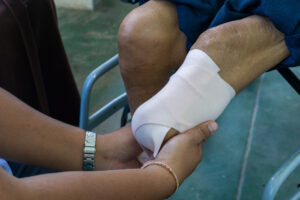
Traumatic amputation is a life-altering injury, and while many people assume that a prosthetic device resolves the functional loss, the reality for many claimants is far more complicated. Phantom limb pain, a persistent and often severe pain sensation in the area of the missing limb, combined with ongoing complications from prosthetic use, can prevent a return to work even years after the initial injury. When these combined limitations make sustained employment impossible, Social Security Disability Insurance may provide critical financial support.
Understanding Phantom Limb Pain as a Disabling Condition
Phantom limb pain occurs when the nervous system continues to generate pain signals associated with a limb that is no longer present. This is not a psychological phenomenon but a recognized neurological condition that can be as severe and disruptive as pain from a physically present injury. For many claimants, this pain is unpredictable, difficult to treat effectively, and can interfere significantly with concentration, sleep, and the ability to tolerate a prosthetic device for extended periods.
Why Prosthetic Complications Add to the Functional Impact
Even well-fitted prosthetic devices can cause ongoing problems, particularly with prolonged use. Common complications include:
- Skin breakdown, irritation, or sores at the point of contact between the residual limb and the prosthetic
- Difficulty achieving a comfortable, stable fit as the residual limb changes over time
- Reduced tolerance for extended wear, requiring frequent breaks or adjustments
- Balance or mobility limitations affecting standing, walking, or fine motor tasks depending on the amputation site
- The need for ongoing medical visits, adjustments, and replacement devices
How These Combined Limitations Affect the Ability to Work
When phantom limb pain and prosthetic complications occur together, the resulting limitations often extend well beyond what either issue would cause alone. Common functional impacts include:
- Inability to tolerate a full workday of prosthetic use without significant pain or skin breakdown
- Difficulty maintaining concentration and pace due to chronic, unpredictable pain
- Limited ability to stand, walk, or use the affected limb for sustained periods
- Medication side effects from pain management, including fatigue or cognitive slowing
- Frequent need for rest breaks or position changes throughout the day
Building the Medical Evidence Your Claim Requires
A strong SSDI claim depends on documentation addressing both the amputation itself and its ongoing functional consequences. Important evidence includes:
- Surgical and treatment records detailing the amputation and recovery process
- Records from prosthetic specialists documenting fit issues, wear tolerance, and complications
- Pain management records showing treatment history and effectiveness for phantom limb pain
- Statements from treating physicians describing specific functional limitations related to both pain and prosthetic use
- A log tracking daily prosthetic wear time and associated symptoms
Why a Function-by-Function Assessment Matters
Because the combination of phantom limb pain and prosthetic complications can affect multiple areas of functioning, disability evaluators benefit from a detailed picture of your ability to:
- Tolerate prosthetic use for extended periods without significant pain or skin damage
- Sustain concentration and pace given chronic pain interference
- Stand, walk, or perform manual tasks depending on the amputation site
- Maintain reliable attendance given the need for medical care and adjustment periods
- Manage medication side effects that further limit functional capacity
A detailed opinion from your treating physician or prosthetic specialist addressing these specific limitations can significantly strengthen your case.
What to Do If Your Claim Is Denied
Initial denials are common, even for claimants with significant amputation-related limitations. If your claim is denied, you have the right to appeal, often with additional documentation addressing the combined impact of pain and prosthetic complications.
Why Experienced Legal Guidance Matters
Presenting the combined impact of phantom limb pain and prosthetic complications requires careful preparation. The team at PLBH has experience helping claimants build strong, well-documented cases for conditions like traumatic amputation.
If phantom limb pain and prosthetic complications have prevented you from returning to work, contact PLBH at (800) 435-7542 to discuss your SSDI claim and the benefits available to you.