
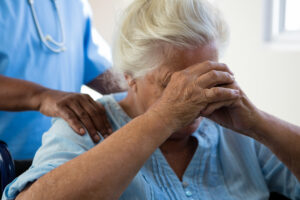
Certified nursing assistants provide hands-on care to some of the most vulnerable patients in our healthcare system, including residents living with dementia and other cognitive conditions. This work requires patience, compassion, and close physical contact, often during moments when a resident may be confused, frightened, or agitated.
Dementia-related behavioral episodes can sometimes turn physical without warning, leaving CNAs with injuries ranging from bruises and scratches to more serious harm. If you’ve been struck or injured by a resident during a behavioral episode, understanding your workers’ compensation rights is an important step toward recovery.
Common Injuries from Patient-Related Incidents
Behavioral episodes can escalate quickly, and CNAs are often the closest staff members when they occur. Injuries commonly reported in these situations include:
- Bruising, scratches, or bite injuries from physical contact
- Sprains or strains from being grabbed, pulled, or pushed
- Fractures from falls triggered by sudden resident movements
- Head injuries from being struck with an object or a resident’s hand
- Psychological effects, including anxiety, following a frightening incident
Because these injuries occur during direct patient care, some CNAs mistakenly believe they’re simply “part of the job” and don’t consider filing a claim, even when the injury requires real medical treatment.
Why These Claims Are Valid, Even Without Employer Fault
California’s workers’ compensation system doesn’t require proving that an employer or a resident acted negligently. Injuries sustained while performing job duties, including caring for a resident experiencing a behavioral episode, are generally covered regardless of fault. This means a CNA doesn’t need to show that staffing levels were inadequate or that warning signs were ignored, though this kind of information can still strengthen a claim if available.
Building a Strong Claim
Following an incident, clear documentation can make a significant difference. Helpful evidence includes:
- Incident reports filed with the facility at the time of the injury
- Medical records documenting the treatment received
- Notes on the resident’s care plan or known behavioral history, if accessible
- Witness statements from coworkers present during the incident
- Records of any prior similar incidents involving the same resident
Benefits Available Through a Successful Claim
A workers’ compensation claim after a patient-related injury can help cover:
- Emergency treatment, urgent care, or hospitalization
- Ongoing medical treatment for physical injuries
- Mental health support if the incident caused lasting anxiety or distress
- Temporary disability benefits during recovery
- Permanent disability benefits for lasting physical or psychological impairment
Steps to Take After a Resident-Related Injury
If you’ve been injured by a resident during a behavioral episode, a few steps can help protect your health and your claim:
- Report the incident to your supervisor immediately, in writing if possible
- Seek medical evaluation, even if injuries initially seem minor
- Request a copy of the incident report for your own records
- Follow up on any recommended physical or mental health treatment
Get the Support You Need
Caring for residents with dementia carries real physical risk, and an injury during a behavioral episode deserves the same consideration as any other workplace injury. An experienced advocate can help you navigate the claims process and pursue the full benefits available under California law. If you’re a CNA in Downey who was injured by a resident during a behavioral episode, contact PLBH at (800) 435-7542 to discuss your case.