
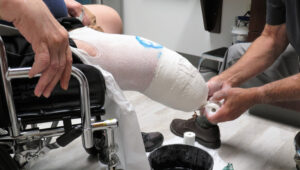
A below-knee amputation is a life-altering event, and while modern prosthetics have improved significantly, not everyone adapts well to using one. Skin breakdown, phantom limb pain, poor residual limb shape, or simple physical intolerance can make consistent prosthetic use difficult or impossible for some individuals. When these complications prevent sustained standing or walking, even jobs that seem physically manageable on paper may be out of reach.
Social Security Disability Insurance provides support for workers whose medical conditions prevent substantial employment, and a below-knee amputation with poor prosthetic tolerance can meet this standard when the full picture is properly documented.
Why Amputation Claims Aren’t Always Straightforward
The Social Security Administration doesn’t automatically approve disability claims simply because an amputation occurred. Many claimants can use a well-fitted prosthetic effectively and return to work, so the SSA typically looks closely at how well an individual actually tolerates and functions with prosthetic use, not just the fact of the amputation itself.
Documenting Poor Prosthetic Tolerance
When prosthetic use isn’t going well, thorough documentation becomes essential to a successful claim. Important evidence includes:
- Records from a prosthetist detailing fitting attempts and ongoing complications
- Documentation of skin breakdown, sores, or residual limb pain limiting wear time
- Physical therapy records showing gait training attempts and outcomes
- Physician notes addressing phantom limb pain or other complicating factors
- A clear record of how many hours per day the prosthetic can realistically be worn
How Functional Limitations Are Evaluated
Beyond the medical records themselves, the SSA considers how these limitations translate into real-world functional capacity. Relevant factors include:
- The ability to stand or walk for sustained periods during a typical workday
- Whether a wheelchair or assistive device is needed for extended mobility
- How pain or discomfort affects concentration and stamina throughout the day
- The physical demands of past work compared to current capabilities
- Whether any less physically demanding work is realistically available given other limitations, such as age, education, and transferable skills
Building a Strong Vocational Case
For claimants whose past work was physically demanding, showing that no reasonable accommodation allows a return to that type of job is often central to approval. This may involve:
- Vocational expert input addressing transferable skills and job availability
- Records showing failed attempts to return to work or modify job duties
- Documentation of any assistive devices required for daily mobility
What SSDI Benefits Can Provide
A successful SSDI claim provides monthly income to help replace lost wages, along with eligibility for Medicare after a qualifying waiting period, offering meaningful financial stability during an already difficult transition.
Steps to Take When Applying
A few steps can help strengthen a claim involving amputation and prosthetic complications:
- Gather complete records from your prosthetist and physical therapist
- Ask your doctor to document specific functional limitations in detail
- Keep a log of how prosthetic complications affect daily standing and walking
- Be prepared to appeal if the initial application is denied, which is common
Let’s Discuss Your Case
Adjusting to life after an amputation is difficult enough without also navigating a complicated disability claims process alone. PLBH offers free consultations to help you understand your options and pursue the benefits you may be entitled to. Call (800) 435-7542 to get started.