
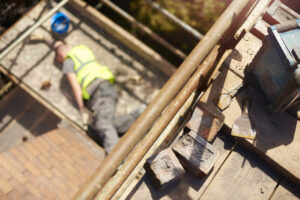
Scaffolding is a common feature on construction sites, but it also presents serious risks. A fall from scaffolding can result in severe injuries, including broken bones, traumatic brain injuries, spinal cord damage, and internal injuries. Workers who experience these falls often require extensive medical treatment and time away from work. Filing a workers’ compensation claim can help cover medical expenses and lost wages, but gathering the right evidence is essential for a successful claim.
At PLBH, we help injured workers build strong cases to secure the compensation they deserve. Below is a guide to the critical evidence needed when filing a workers’ compensation claim for a scaffolding fall.
Immediate Steps After a Scaffolding Fall
Before diving into the necessary evidence, it is important to understand the immediate actions an injured worker should take after a fall. These steps not only prioritize health and safety but also help preserve key evidence for a claim.
- Seek medical attention immediately – Even if injuries do not seem severe at first, getting an evaluation from a doctor ensures proper treatment and documentation.
- Report the incident to a supervisor – Notifying an employer as soon as possible is required for workers’ compensation eligibility.
- Document the accident scene – If possible, take photos or ask a coworker to capture images of the scaffolding, safety equipment, and any hazards that contributed to the fall.
- Gather contact information from witnesses – Statements from coworkers or bystanders can support the claim.
Once these steps are taken, injured workers should focus on gathering additional evidence to strengthen their case.
Critical Evidence for a Workers’ Compensation Claim
To prove that injuries were sustained due to a scaffolding fall on the job, certain types of evidence are required. Having thorough documentation can help prevent claim denials or delays.
1. Medical Records and Doctor’s Reports
Medical documentation is one of the most important pieces of evidence in a workers’ compensation claim. These records should include:
- Emergency room reports and diagnoses
- Doctor’s notes detailing the severity of injuries and treatment recommendations
- X-rays, MRIs, or other diagnostic test results
- Prescriptions and rehabilitation plans
- Statements connecting the injuries to the scaffolding fall
Without clear medical records, an employer’s insurance company may argue that the injuries were unrelated to the workplace incident.
2. Accident Reports and Workplace Documentation
Filing an official accident report with an employer as soon as possible helps create a paper trail linking the injuries to the fall. The report should include:
- Date, time, and location of the fall
- Description of the accident and the cause (e.g., faulty scaffolding, lack of safety rails, slippery surfaces)
- Names of any witnesses
- Any immediate injuries reported at the scene
Additionally, if a worker had previously reported unsafe scaffolding conditions before the fall, documentation of those complaints can support the claim.
3. Witness Statements
Coworkers or others who saw the accident occur can provide crucial witness statements that:
- Confirm that the fall happened at work
- Describe the conditions leading up to the accident
- Verify the extent of injuries at the time of the fall
If multiple witnesses provide consistent accounts, it strengthens the case and reduces the chances of an employer or insurance company disputing the claim.
4. Photographs and Video Evidence
Visual evidence is highly effective in proving liability and demonstrating unsafe working conditions. If possible, workers should collect:
- Photos of the scaffolding setup, including broken planks, missing guardrails, or improper assembly
- Images of visible injuries immediately after the fall
- Any surveillance footage from the job site capturing the accident
Even if a worker cannot take photos immediately after the fall, returning to the job site (or asking a coworker) to document the scene can be beneficial.
5. Employment and Payroll Records
Workers’ compensation benefits typically include coverage for lost wages. Employment records proving work history and wages before the injury may be required, including:
- Pay stubs from recent weeks or months
- Work schedules showing hours worked
- Employment contracts or agreements outlining job duties
If injuries prevent a worker from returning to their previous role, documentation of permanent disability or reduced work capacity may also be needed.
Overcoming Challenges in a Workers’ Compensation Claim
Even with strong evidence, insurance companies may try to deny or reduce claims by arguing that:
- The injury was pre-existing or unrelated to work
- The worker failed to follow safety protocols
- There is insufficient proof of how the fall occurred
An experienced workers’ compensation attorney can counter these tactics by ensuring that all necessary evidence is properly presented, filing appeals if a claim is denied, and negotiating for the maximum compensation available.
Get Help with Your Workers’ Compensation Claim
Filing a workers’ compensation claim for a scaffolding fall can be overwhelming, especially when dealing with serious injuries. At PLBH, we advocate for injured workers and fight to ensure they receive the benefits they need to recover.
If you have been injured in a scaffolding accident, call PLBH at (800) 435-7542 to schedule a consultation and learn how we can help with your claim.