
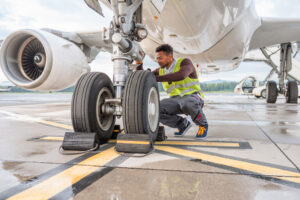
The tarmac is one of the loudest work environments on earth. Jet engines at close range produce noise levels that can exceed 140 decibels — well above the threshold at which permanent hearing damage begins. For airport ground crew who spend shifts directing aircraft, loading luggage, fueling planes, and coordinating on the ramp, that exposure is constant and cumulative. When employers fail to provide adequate hearing protection or enforce its use, the long-term consequences can be devastating. If you’ve developed hearing loss or related conditions as a result of your work on the ground crew, California’s workers’ compensation system recognizes occupational hearing loss as a compensable injury.
How Noise-Induced Hearing Loss Develops
Unlike a sudden traumatic injury, noise-induced hearing loss typically develops over years of repeated exposure. Many workers don’t notice the full extent of the damage until they’re well into their careers. Early warning signs include:
- Difficulty understanding speech in noisy environments
- Ringing, buzzing, or hissing in the ears — known as tinnitus
- A sensation of fullness or muffling in one or both ears
- Needing to increase the volume on television or phone calls
- Difficulty hearing high-pitched sounds
Because the progression is gradual, workers often normalize these symptoms without connecting them to their workplace. By the time a formal diagnosis is made, significant and often irreversible damage has already occurred.
Your Employer’s Obligation to Protect Your Hearing
California’s occupational safety regulations require employers to implement a hearing conservation program when workers are regularly exposed to noise levels at or above 85 decibels — a threshold that tarmac environments far exceed. These programs must include:
- Regular noise level monitoring
- Provision of appropriate hearing protection devices
- Training on proper use and fit of ear protection
- Annual audiometric testing to detect early hearing changes
If your employer failed to meet any of these obligations, that failure strengthens your workers’ comp claim and may support additional legal action. Documentation of inadequate protection — or pressure from supervisors not to use it — is particularly valuable evidence.
Filing a Cumulative Trauma Claim for Hearing Loss
Occupational hearing loss is classified as a cumulative trauma injury in California, meaning the filing window opens when you knew or reasonably should have known your condition was work-related. An audiologist or physician diagnosing noise-induced hearing loss and connecting it to your work environment can be the starting point for that clock. Contact PLBH promptly once you have a diagnosis to make sure your claim is filed within the required timeframe.
What a Successful Claim Can Cover
Workers’ comp benefits for occupational hearing loss may include:
- Audiological evaluation and specialist care
- Hearing aids and related devices
- Treatment for tinnitus and associated conditions
- Temporary disability benefits if your condition affects your ability to work
- Permanent disability benefits reflecting the lasting nature of hearing impairment
Hearing loss is permanent. No amount of compensation fully restores what’s been taken from you, but a successful workers’ comp claim can help cover the cost of treatment and acknowledge the real impact on your quality of life and career.
If your hearing has been damaged by years of unprotected exposure to jet engine noise, PLBH is ready to help you build a strong claim. Call (800) 435-7542 to speak with a California workers’ compensation attorney who will fight to make sure your sacrifice on the job doesn’t go unrecognized.