
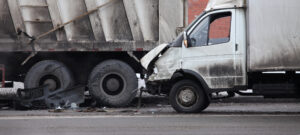
If you were injured in a collision while driving a refuse truck on a residential collection route in Harbor City, you are generally entitled to California workers’ compensation benefits. Because driving the route is part of your job, injuries from a crash are covered whether the other driver caused it, road conditions played a role, or no one was clearly at fault. Documenting the crash and your injuries early helps your claim move forward without unnecessary delays.
Why Are Refuse Truck Drivers at Risk on Residential Routes?
Collection routes through Harbor City’s neighborhoods involve hundreds of stops per shift on narrow streets. Common collision risks include:
- Impatient drivers passing the truck during frequent stops
- Vehicles rear-ending the truck while it slows or stops at curbside bins
- Collisions at intersections with limited visibility around parked cars
- Backing incidents in cul-de-sacs and alleys
- Early morning routes in low light or fog near the harbor
What Injuries Do Refuse Truck Drivers Suffer in Collisions?
Even at low speeds, the forces involved in a crash can cause serious harm, including:
- Neck and back injuries, including herniated discs
- Shoulder and knee injuries from bracing or being thrown against the cab
- Head injuries and concussions
- Fractures to the arms, wrists, or ribs
- Lingering pain that makes climbing in and out of the cab difficult
Does It Matter Who Caused the Collision?
Not for workers’ compensation. California’s system is no-fault, so you can receive benefits even if your employer believes you contributed to the crash. If another driver caused the collision, you may also have a separate claim against that driver in addition to your workers’ comp benefits. An attorney can help you coordinate both so you do not lose out on compensation.
What Steps Should You Take After a Crash on Your Route?
Protect your health and your claim by:
- Getting medical care immediately, even if your injuries seem minor
- Reporting the crash and your injuries in writing to your supervisor
- Requesting a DWC-1 claim form, which your employer must provide within one working day
- Obtaining a police report number and the other driver’s information
- Photographing the scene, vehicles, and any visible injuries
- Asking your employer to preserve dashcam footage and truck telematics data
What Benefits Can an Injured Refuse Truck Driver Receive?
A California workers’ compensation claim can provide:
- Medical treatment for all crash-related injuries
- Temporary disability payments, generally about two-thirds of your average weekly wages
- Permanent disability benefits if your injuries cause lasting limitations
- Supplemental job displacement benefits if you can no longer drive a commercial vehicle
While your employer decides whether to accept the claim, it must authorize up to $10,000 in medical treatment.
What If Your Injuries Affect Your Commercial Driver’s License?
Some injuries, especially head injuries or conditions requiring certain medications, may affect your ability to pass a DOT medical exam. Losing medical clearance to drive can end your career as a refuse truck driver, which should be reflected in your permanent disability rating and vocational benefits.
Why Work With an Experienced Workers’ Comp Firm?
Vehicle-related injury claims often involve multiple insurance carriers and complex questions about wage loss and future earning capacity. Our firm has secured significant results for workers hurt in on-the-job vehicle accidents, which you can review on our case highlights page.
Talk to PLBH About Your Harbor City Collision Injury
You keep Harbor City’s neighborhoods clean and safe, and you deserve full support after a crash on the job. PLBH is ready to protect your claim and pursue every benefit available. Call (800) 435-7542 or reach out online for a free, confidential consultation.