
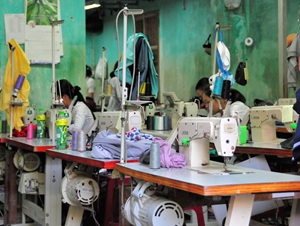
The garment industry in Southern California employs tens of thousands of workers, many of whom spend entire shifts performing the same precise, high-speed hand and wrist motions on production sewing machines. The pace is relentless, the quotas are demanding, and the physical toll accumulates quietly until the pain becomes impossible to work through.
Bilateral wrist damage — meaning injury to both wrists simultaneously — is a well-documented occupational hazard in this industry. If you’ve developed wrist pain, weakness, or numbness from your work on a sewing line, California’s workers’ compensation system may entitle you to significant benefits.
Why Garment Work Is So Hard on the Wrists
Production sewing requires constant repetition of the same small movements — guiding fabric, operating foot pedals, repositioning material, and managing thread — at speeds that leave little margin for rest or variation. Over time, this pattern places extreme stress on the tendons, nerves, and joints of the wrist. Common diagnoses among garment workers include:
- Carpal tunnel syndrome, caused by compression of the median nerve
- Flexor tendinitis from repeated gripping and fabric manipulation
- De Quervain’s tenosynovitis affecting the thumb-side tendons
- Trigger finger from prolonged gripping of material
- General wrist joint deterioration from years of cumulative stress
When both wrists are affected — which is common given the symmetrical demands of sewing work — the impact on daily function and earning capacity is even more significant.
Cumulative Trauma Claims in the Garment Industry
California workers’ comp law recognizes cumulative trauma injuries, which develop over time rather than from a single incident. For garment workers, this means you don’t need to point to one specific moment when your wrists gave out. You need to demonstrate that the repetitive demands of your job were a contributing cause of your diagnosed condition.
One important detail: the filing clock begins when you knew or should have known your injury was work-related, not necessarily when you first felt discomfort. If a doctor has recently linked your wrist damage to your sewing work, that may mark the start of your one-year window to file. Don’t wait — contact PLBH as soon as possible to protect your claim.
Language Access and Worker Rights
Many garment workers in California are more comfortable communicating in Spanish or another language, and some may be unfamiliar with the workers’ comp process or hesitant to file out of concern for their employment status. It’s important to know that California law protects workers from retaliation for filing a legitimate workers’ comp claim. Your immigration status does not disqualify you from receiving workers’ compensation benefits. Every worker injured on the job has the right to file a claim.
What a Successful Claim Can Cover
Benefits available through a workers’ comp claim for bilateral wrist damage may include:
- Medical treatment including specialist evaluations, splinting, injections, and surgery
- Physical and occupational therapy to restore function
- Temporary disability payments during recovery
- Permanent disability benefits if your wrists don’t fully recover
- Vocational rehabilitation if you’re unable to return to production sewing
Your wrists have powered someone else’s production line for years. Now it’s time to make sure the system works for you. Call PLBH at (800) 435-7542 to speak with a California workers’ compensation attorney who understands the specific challenges garment workers face and will fight to get you the benefits you deserve.