
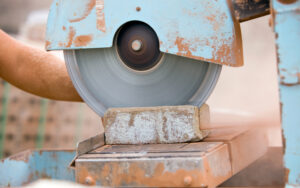
 Engineered stone countertops have become one of the most popular choices for kitchens and bathrooms across the country, but the manufacturing process behind them carries a hidden danger. When fabricators cut, grind, or polish engineered stone without proper wet-cutting methods or respiratory protection, they release extremely fine silica dust into the air.
Repeated inhalation of this dust can cause silicosis, a progressive and irreversible lung disease that scars lung tissue and makes breathing increasingly difficult over time. If you’ve been diagnosed with silicosis after working as an engineered stone countertop fabricator, understanding your rights under California’s workers’ compensation system is essential.
Recognizing the Signs of Occupational Silicosis
Silicosis often develops slowly, which makes it easy to dismiss early symptoms as ordinary fatigue or seasonal illness. Common warning signs include:
- Shortness of breath during routine or light physical tasks
- A persistent dry cough that doesn’t resolve
- Chest tightness or discomfort
- Unexplained fatigue or weight loss
Because the disease progresses even after exposure stops, workers may not connect their declining health to years of dry cutting until a doctor orders imaging that reveals lung scarring. Getting a prompt and accurate diagnosis from a physician familiar with occupational lung disease is a critical first step toward protecting both your health and your legal claim.
Why These Claims Are Often Contested
Silicosis claims tend to be more complicated than injuries tied to a single, identifiable incident. Insurance carriers frequently push back by arguing that:
- The lung condition stems from smoking or natural aging rather than workplace exposure
- Symptoms are linked to a prior job instead of the current employer
- The claim falls outside the statute of limitations, since silicosis can take years to manifest
Strong medical documentation, detailed work history records, and testimony connecting specific job duties to dry-cutting practices are often necessary to overcome these defenses.
What Workers’ Compensation Can Cover
A successful silicosis claim can help pay for a range of medical needs, including:
- Pulmonary function testing and diagnostic imaging
- Medications and ongoing respiratory treatment
- Oxygen therapy for advanced cases
- Temporary or permanent disability benefits if the condition limits your ability to work
In more severe cases involving significant lung function loss, workers may qualify for benefits reflecting a total inability to return to their prior occupation.
Steps to Take After a Silicosis Diagnosis
If you’ve been diagnosed with silicosis, taking a few key steps early can strengthen your claim:
- Report your condition to your employer promptly and in writing
- Keep copies of all medical records related to your diagnosis and treatment
- Document your specific job duties, including how often you performed dry cutting, grinding, or polishing
- Note whether respiratory protection or proper ventilation was ever provided
This information can be vital in establishing the connection between your work environment and your diagnosis, particularly if your claim is contested.
Get Help Protecting Your Rights
Silicosis is a serious, life-altering diagnosis, and pursuing a workers’ compensation claim while managing declining lung function can feel overwhelming. An experienced advocate can help gather the medical and vocational evidence needed to support your claim, push back against insurance company denials, and make sure you receive the full benefits available to you under California law. If you or a loved one has developed silicosis after working with engineered stone, contact PLBH at (800) 435-7542 to discuss your case and learn more about your options.