
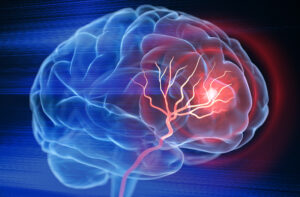
A stroke can rewrite a person’s life in a matter of minutes. The damage caused by interrupted blood flow to the brain can affect movement, speech, memory, cognition, and emotional regulation — sometimes permanently. While some stroke survivors make remarkable recoveries, others are left with lasting deficits that make returning to any form of meaningful employment impossible.
If you are in the latter category, Social Security Disability Insurance may provide critical financial support during what is often an extended and uncertain recovery. But building a successful SSDI claim after a stroke requires understanding how the SSA evaluates neurological conditions and what evidence is needed to prove the full extent of your limitations.
How the SSA Evaluates Stroke-Related Disability
The Social Security Administration evaluates strokes and their aftermath under Listing 11.04, which addresses vascular insult to the brain. To meet this listing, a claimant must show that at least three months after the stroke, they continue to experience one of the following:
- Disorganization of motor function in two extremities resulting in extreme limitation in the ability to stand, balance while standing or walking, or use the upper extremities
- Marked limitation in physical functioning combined with marked limitation in at least one of the following: understanding and applying information, interacting with others, maintaining concentration and pace, or managing oneself
The three-month window is significant — the SSA recognizes that neurological recovery often continues in the months immediately following a stroke and wants to evaluate residual deficits rather than acute symptoms. If your stroke occurred recently, timing your application appropriately can affect the strength of your claim. PLBH can advise you on when and how to file for maximum effect.
Cognitive Deficits and Their Impact on Work Capacity
Motor impairments from a stroke are often visible and relatively straightforward to document. Cognitive deficits can be equally or more disabling but are sometimes harder to capture in medical records. Post-stroke cognitive limitations that should be thoroughly documented include:
- Memory impairment affecting the ability to learn new information or recall instructions
- Executive function deficits limiting the ability to plan, organize, or complete multi-step tasks
- Slowed processing speed that makes even simple work tasks take significantly longer than normal
- Aphasia or other language processing difficulties affecting communication in a work setting
- Difficulty concentrating for sustained periods due to post-stroke fatigue or cognitive fog
- Emotional dysregulation including post-stroke depression or pseudobulbar affect
Each of these limitations narrows the range of jobs a stroke survivor can realistically perform — and when several are present together, the combined effect can eliminate competitive employment entirely.
The Importance of Neuropsychological Testing
Standard medical records often underrepresent cognitive deficits after a stroke. A neuropsychological evaluation — conducted by a licensed neuropsychologist using standardized testing — provides objective, quantified documentation of cognitive limitations that can be far more persuasive to an SSA evaluator or administrative law judge than clinical notes alone. If you haven’t undergone neuropsychological testing since your stroke, obtaining one before or during the claims process can significantly strengthen your case.
Additional medical evidence that should be gathered for a post-stroke SSDI claim includes:
- Hospital records from the acute stroke event including imaging studies
- Neurology follow-up records documenting residual deficits and recovery trajectory
- Physical, occupational, and speech therapy records reflecting functional limitations
- Treating physician statements specifically addressing your ability to work
- Records of any secondary conditions caused or worsened by the stroke
Addressing Partial Recovery in Your Claim
One of the most common challenges in post-stroke SSDI claims is the SSA’s tendency to interpret any documented improvement as evidence that the claimant is not disabled. Partial recovery is not the same as full recovery, and many stroke survivors reach a plateau that leaves them with permanent limitations well short of what any employer could accommodate. Documenting where recovery has stalled — and what functional limitations remain despite maximum medical improvement — is essential to countering this argument.
PLBH can help you work with your treating neurologist and other providers to ensure that your records reflect not just the progress you’ve made but the very real limitations that remain.
Contact PLBH at (800) 435-7542 to speak with a California disability attorney who understands the complexity of post-stroke claims and will fight to make sure the SSA evaluates the full picture of your condition.