
Safety standards have made American workplaces far safer
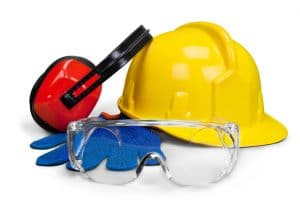 In the not-too-distant past, serious workplace injuries and fatalities were incredibly common. Employers often cut corners or failed to protect their workers, which resulted in grave injuries or even death from unsafe working conditions. This was particularly true in construction, factory, and industrial settings. The Occupational Safety and Health Act of 1970, commonly known as OSHA, sought to remedy this problem by setting basic standards that employers must follow to protect workers and prevent as many of these injuries and fatalities as possible.
OSHA protects the majority of workers in America, requiring employers to follow specific safety guidelines for the handling of dangerous chemicals, working off the ground, digging trenches and more. There are guidelines that apply to each industry that mandate the use of protective equipment, the posting of signs and other safety measures. In addition. the law requires employers to keep their workplace safe and free of recognized dangers. This is known as the “general duty clause,” which acts as sort of a catchall provision. Even if an employer does not violate a specific standard under the Act, it could still be found to have violated OSHA for failing to keep the workplace safe.
If a company has been found to violate OSHA, it may result in an employee and/or his survivors filing a lawsuit against the company outside of the workers’ compensation system. Workers’ compensation is normally the exclusive remedy for workplace injuries and illness, except in cases where an employer has engaged in serious and willful misconduct. This standard requires the employer to have a very high degree of fault, beyond gross negligence. Failing to comply with OSHA safety standards could rise to that level. In those situations, an employee may be able to seek compensation beyond what is available through workers’ compensation. For example, if a worker was required to work on scaffolding without harness or other safety equipment, that could constitute an OSHA violation. If that worker fell and was seriously injured or died as a result, the worker or his survivors could potentially file a lawsuit against the company. A court could then find that the employer’s failure to provide safety equipment was serious and willful misconduct because harnesses and other fall protection may have been mandatory under the law for an employee working at that height or doing that task. A lawsuit could then proceed, which would likely result in much a much higher recovery for the injured worker than he may be able to get through the workers’ compensation system. A skilled workers’ compensation attorney can evaluate your case to determine if it is possible that an employer’s OSHA violation constitutes serious and willful misconduct that would allow you to file a lawsuit instead of a claim through workers’ comp.
At PLBH, our attorneys are highly experienced at handling workers’ compensation claims, including those that may fall outside of the system due to serious and willful misconduct. We will thoroughly investigate your case to determine if there are grounds to file a lawsuit instead of a workers’ compensation claim, and will advocate for you throughout each step of the process. Contact our office today at (800) 435-7542 or info@plblaw.com to schedule a consultation.