
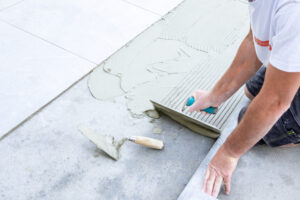
Tile and flooring installation requires countless hours spent kneeling on hard, unforgiving surfaces, often with only minimal padding for protection. While a single day of kneeling might cause temporary soreness, years of repeated pressure on the knees can lead to a chronic and often debilitating condition known as bursitis.
This inflammation of the fluid-filled sacs that cushion the knee joint develops gradually, and by the time pain becomes constant, significant damage may have already occurred. If you’ve developed knee bursitis after years of installing tile and flooring, understanding your workers’ compensation rights can help you get the treatment and support you need.
How Kneeling Leads to Chronic Knee Bursitis
The bursae in the knee act as cushions between bone, tendons, and skin, but they weren’t designed to withstand constant, direct pressure over long periods. Flooring installers who kneel for extended stretches, day after day, put repeated strain on these structures. Common symptoms include:
- Swelling or a visible lump at the front of the knee
- Pain that worsens with kneeling, bending, or climbing stairs
- Warmth or tenderness around the kneecap
- Stiffness that limits range of motion
- Pain that persists even during rest or after work hours
Because symptoms often start mild and worsen slowly, many installers push through the discomfort for months or years before seeking treatment.
Why These Claims Require Cumulative Trauma Evidence
Unlike an injury from a single fall or accident, bursitis from repetitive kneeling develops over an extended period, which means the claim typically falls under California’s cumulative trauma framework. Insurers may attempt to attribute the condition to age, weight, or unrelated activity outside of work, making strong supporting evidence essential. Helpful documentation includes:
- Medical imaging, such as ultrasound or MRI, confirming bursitis or related joint damage
- A detailed work history showing years of kneeling-intensive flooring work
- Records of knee pads or protective equipment provided, or the lack of it
- Statements from coworkers or supervisors confirming job duties and conditions
Overcoming Common Insurer Pushback
Because bursitis can technically have multiple causes, insurance carriers sometimes argue that a claimant’s knee condition is unrelated to work, particularly if the worker has any personal history of joint issues. A thorough medical evaluation connecting the specific pattern of kneeling exposure to the diagnosis is often key to overcoming these objections.
Benefits Available Through a Successful Claim
A workers’ compensation claim for chronic knee bursitis can help cover:
- Diagnostic imaging and orthopedic evaluation
- Anti-inflammatory treatment, aspiration, or injections
- Physical therapy and rehabilitation
- Surgery in more severe or persistent cases
- Temporary or permanent disability benefits if kneeling-intensive work is no longer possible
- Vocational retraining if a return to flooring installation isn’t medically advisable
Steps to Take If You’re Experiencing Knee Symptoms
If you’re a flooring installer dealing with ongoing knee pain, a few steps can help protect your health and your claim:
- Report symptoms to your employer as soon as they interfere with your work
- Seek orthopedic evaluation and describe your kneeling-intensive job duties in detail
- Keep track of when symptoms worsen and how they affect daily activities
- Document any knee pads or protective equipment used, or note when none was provided
Get the Support You Need
Chronic knee bursitis can make a physically demanding trade increasingly difficult to sustain, and pursuing a cumulative trauma claim often requires strong medical and vocational evidence. An experienced advocate can help build your case and pursue the full benefits available under California law. If you’re a tile or flooring installer in Gardena dealing with knee bursitis from years of kneeling, contact PLBH at (800) 435-7542 to discuss your case.