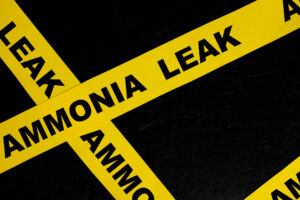
Refrigeration technicians who service industrial cold storage facilities work with powerful ammonia-based cooling systems every day. While these systems are essential for keeping large-scale refrigeration running, ammonia is a highly toxic and corrosive gas, and even a small leak can cause severe harm in a short amount of time. Technicians working in tight mechanical rooms or performing repairs on pressurized lines face heightened risk if a valve fails, a line ruptures, or a seal gives way during maintenance. If you’ve been injured by an ammonia leak while servicing cold storage equipment, understanding your workers’ compensation rights is critical to your recovery.
Common Injuries from Ammonia Exposure
Ammonia gas is fast-acting and can cause serious harm within seconds of exposure. Depending on the concentration and duration of exposure, technicians may experience:
- Severe respiratory irritation, coughing, or difficulty breathing
- Chemical burns to the eyes, skin, or throat
- Pulmonary edema or long-term lung damage
- Vision damage or temporary blindness from eye contact
- Loss of consciousness in cases of high-concentration exposure
Even exposures that seem to resolve quickly can leave lasting damage to the respiratory system, and symptoms sometimes worsen in the hours following the incident rather than improving.
Why Immediate Medical Treatment Matters
Ammonia exposure requires urgent medical attention, even when symptoms initially seem mild. Delayed treatment can allow chemical burns to worsen or respiratory damage to progress. Getting evaluated right away also creates a critical medical record connecting the injury to the specific incident, which becomes important if the claim is later disputed.
Building a Strong Workers’ Compensation Claim
Ammonia leak injuries often involve equipment failure, maintenance history, and safety protocols, all of which can become points of dispute. A well-supported claim typically includes:
- Incident reports documenting when and how the leak occurred
- Medical records detailing the extent of chemical exposure and treatment
- Equipment maintenance and inspection records for the refrigeration system
- Witness statements from coworkers present at the time of the leak
- Documentation of any safety equipment provided, or gaps in required protective gear
What Benefits May Be Available
A successful claim can help cover a wide range of costs and losses, including:
- Emergency treatment and hospitalization
- Ongoing care for respiratory or vision damage
- Temporary disability benefits during recovery
- Permanent disability benefits if the exposure causes lasting impairment
- Retraining benefits if lung or vision damage prevents a return to refrigeration work
Steps to Take After an Ammonia Exposure Incident
If you’ve been exposed to an ammonia leak on the job, a few steps can help protect both your health and your claim:
- Seek emergency medical care immediately, even if symptoms seem minor at first
- Report the incident to your employer in writing as soon as possible
- Request copies of any incident reports or safety logs related to the leak
- Follow up with all recommended treatment and specialist appointments
Get Help Moving Forward
Ammonia exposure can cause injuries that affect your breathing, vision, and overall health long after the initial incident, and recovering fully often takes time and consistent medical care. An experienced advocate can help you gather the evidence needed to support your claim and pursue the full benefits available under California law. If you’ve been injured by an ammonia leak while servicing a cold storage facility in Carson, contact PLBH at (800) 435-7542 to discuss your case.