
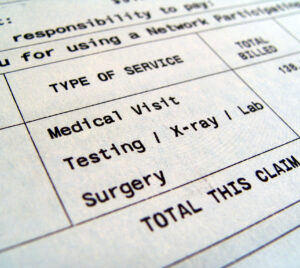
Healthcare fraud doesn’t just waste money—it puts patients and honest employees at risk. If you’ve discovered fraudulent billing practices in a hospital, clinic, or private practice, speaking up is the right thing to do. But many workers hesitate to come forward, fearing retaliation or termination.
The good news? Both federal and California laws offer strong protections for whistleblowers who expose fraud in the healthcare system. At PLBH, we help employees report misconduct safely while protecting their careers and legal rights.
What Is Healthcare-Billing Fraud?
Healthcare-billing fraud occurs when a provider intentionally submits false claims to insurance companies, Medicare, Medi-Cal, or other payers in order to receive inflated or undeserved payments.
Common examples include:
- Billing for services that were never provided
- “Upcoding” to charge for more expensive procedures than were actually performed
- Unbundling services to bill separately for procedures that should be combined
- Submitting duplicate claims
- Falsifying medical records to justify unnecessary treatment
Employees in billing departments, administration, nursing, or even patient care often spot irregularities before anyone else. If you’ve seen red flags, you may be in a position to report them—and possibly qualify for legal protection and even compensation.
Federal Whistleblower Protection: The False Claims Act
One of the strongest tools for reporting healthcare fraud is the federal False Claims Act (FCA). Under the FCA:
- You can file a qui tam lawsuit on behalf of the government if you know of fraud involving federal funds (such as Medicare or Medicaid).
- If the government recovers money, you may receive a whistleblower reward of 15%–30% of the total recovery.
- You are protected from retaliation, including firing, demotion, harassment, or discrimination for making a good faith report.
To qualify, your report must involve fraud against a federal program, and you must be first to file—which is why it’s important to speak with a lawyer early.
California’s Additional Whistleblower Protections
California also offers strong safeguards through its Labor Code §§ 1102.5 and 98.6. These laws protect employees who report:
- Violations of law or regulation
- Unsafe patient conditions
- Fraudulent practices, even internally (i.e., to a supervisor or HR)
Unlike the federal law, you don’t have to file a lawsuit to be protected. Simply raising concerns internally or to a government agency is enough to invoke your rights.
If you experience retaliation—such as reduced hours, demotion, hostile work environment, or termination—you may be entitled to:
- Reinstatement
- Back pay and lost benefits
- Compensatory damages
- Attorney’s fees and court costs
How to Protect Yourself When Reporting Fraud
Whistleblowing can be risky, especially in close-knit workplaces. If you’re planning to report billing fraud, follow these steps to protect yourself:
1. Document Everything
Keep detailed records of what you witnessed, including:
- Dates of fraudulent activity
- Names of people involved
- Copies of emails or billing records (if legally obtained)
2. Report Internally (If Safe)
If your employer has a compliance or HR department, report the fraud through official channels. Put your complaint in writing and keep a copy.
3. File an External Complaint or Lawsuit
You can also report fraud to:
- The Office of Inspector General (OIG)
- California Department of Health Care Services
- File a qui tam lawsuit under the False Claims Act
4. Consult an Attorney
A whistleblower attorney at PLBH can guide you through the process, help you report safely, and protect you from retaliation.
You Don’t Have to Stay Silent
Reporting fraud in the healthcare system takes courage, but you don’t have to do it alone. If you suspect fraudulent billing and want to take action, call PLBH at (800) 435-7542 for a confidential consultation. We’re here to stand by you—so you can stand up for what’s right.