
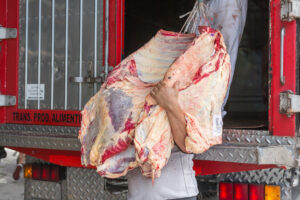
Working in a meat packing facility demands physical endurance, speed, and precision—often for hours at a stretch under cold conditions. For workers assigned to overhead cutting tasks, the combination of forceful exertion, sustained awkward posture, and rapid repetition creates a high-risk environment for shoulder injuries. Rotator cuff tendinitis and bicep tendon damage are among the most common results, developing gradually as tissue breaks down faster than it can recover.
How California Workers’ Comp Handles Repetitive Motion Injuries
California workers’ compensation recognizes two types of work injuries:
- Specific injuries caused by a single identifiable incident
- Cumulative trauma injuries (CTIs) that develop over time from repeated workplace activity
Shoulder tendinitis in meat packers typically falls into the second category. A CTI claim can be filed even if no single event caused the injury—the ongoing nature of the work is itself the cause. The legal clock on a cumulative trauma claim generally starts when the employee knew or should have known the injury was work-related, so speaking with an attorney early is worthwhile if you’ve been putting off a claim.
Documenting the Injury
Strong documentation is the backbone of a repetitive motion claim. Key evidence typically includes:
- An orthopedic evaluation or MRI confirming tendinitis or rotator cuff damage
- A physician’s report—ideally from an occupational medicine specialist—linking your overhead cutting duties to the diagnosis
- Employer records such as time cards and production logs confirming how frequently you performed overhead work
- Any prior ergonomic assessments or complaints related to your workstation
Insurers often argue that shoulder problems stem from aging, recreational activities, or prior injuries. Your treating physician’s opinion about industrial causation is your primary defense against this argument.
What Compensation May Be Available
An accepted workers’ comp claim for shoulder tendinitis can include:
- Full medical coverage for physical therapy, anti-inflammatory treatment, and surgery if recommended
- Temporary disability benefits to replace a portion of your wages during recovery
- Permanent disability compensation if lasting limitations affect your ability to return to your prior duties or other work
- Vocational rehabilitation if retraining is necessary due to permanent physical restrictions
Cold working conditions in meat packing facilities can slow healing and complicate treatment planning, making it especially important to have medical care that accounts for the physical demands of your specific job. Don’t let an insurer minimize your condition or push you back to the same duties before you’ve fully recovered.
If you’ve developed shoulder tendinitis or another repetitive motion injury while working in meat packing or food processing, PLBH is ready to help you pursue the benefits you deserve. Call (800) 435-7542 to speak with a California workers’ compensation attorney.