
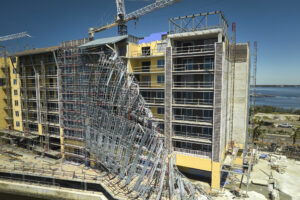
A scaffolding collapse is among the most catastrophic events that can occur on a construction site. When a worker falls from height or is struck by collapsing structure, the resulting injuries are often severe — and spinal fractures are one of the most serious outcomes. Depending on the location and severity of the fracture, the consequences can range from weeks of restricted activity to permanent neurological impairment. For construction workers in California who suffer this type of injury, the workers’ compensation system provides an important path to benefits, but the complexity of these cases makes early legal guidance essential.
The Severity and Range of Spinal Fracture Injuries
Spinal fractures vary significantly in their nature and consequences. A compression fracture in the thoracic or lumbar spine may cause chronic pain and mobility limitations without affecting nerve function. Burst fractures, which occur when the vertebra shatters under extreme force, can result in bone fragments entering the spinal canal and causing partial or complete paralysis. Fractures involving the cervical spine carry the risk of the most severe neurological consequences.
Even fractures that do not initially affect nerve function can become unstable over time, particularly if the worker returns to physical activity too quickly or does not receive appropriate surgical intervention. The full extent of the injury may not be clear until imaging studies are completed and a specialist has evaluated the findings.
Immediate Steps After a Scaffolding Collapse
Any worker involved in a scaffolding collapse should receive emergency medical care before anything else. Spinal injuries require careful handling at the scene to avoid worsening the damage, and a thorough evaluation — including X-rays, CT scans, and potentially MRI imaging — is essential to understanding the full extent of the injury.
The incident should be reported to the employer as soon as the worker is medically stable, and a DWC-1 claim form should be completed promptly. Preserving evidence from the scene is also important — photographs of the collapsed scaffolding, the surrounding work area, and any equipment involved can be valuable later in the process.
Third-Party Liability in Scaffolding Collapse Cases
Workers’ compensation covers medical treatment and wage replacement regardless of fault, but it does not compensate for pain and suffering or the full economic impact of a catastrophic injury. When a scaffolding collapse results from a defective product — faulty scaffolding components, improperly manufactured hardware, or failed safety equipment — a product liability claim against the manufacturer may be available alongside the workers’ comp case.
Similarly, if a general contractor, subcontractor, or property owner whose negligence contributed to the unsafe condition is separate from the injured worker’s direct employer, a third-party civil lawsuit may be an option. These parallel claims can significantly increase the total compensation available to a seriously injured worker.
Permanent Disability and Long-Term Benefits
Spinal fractures frequently result in permanent impairment, and California’s workers’ compensation system provides permanent disability benefits based on the degree to which the injury limits the worker’s future earning capacity. In cases involving paralysis or severe neurological damage, the injured worker may qualify for life pension benefits. Future medical care, including surgery, physical therapy, pain management, and assistive equipment, can also be addressed through the claim.
Given the stakes involved in a catastrophic spinal injury, having an attorney manage the claim from the beginning helps ensure that nothing is overlooked and that the insurer does not undervalue the long-term consequences of the injury.
Speak with an Attorney About Your Scaffolding Injury
A spinal fracture from a scaffolding collapse can change the course of a worker’s life. PLBH has the experience to handle complex construction injury claims and pursue every avenue of compensation available. Call (800) 435-7542 to speak with an attorney about your case.