
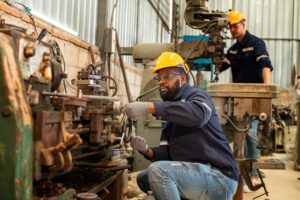
Manufacturing jobs require constant physical effort, often involving repeated motions such as lifting, assembling, and operating machinery. Over time, these repetitive movements can lead to serious injuries, known as repetitive motion injuries (RMIs) or repetitive stress injuries (RSIs). These injuries can cause chronic pain, reduced mobility, and even permanent damage, impacting a worker’s ability to perform their job.
If you have developed a repetitive motion injury due to manufacturing work, you may be entitled to workers’ compensation benefits to cover medical expenses, lost wages, and rehabilitation. Understanding the legal aspects of these claims can help you take the right steps to protect your health and financial future.
Common Repetitive Motion Injuries in Manufacturing
Manufacturing workers frequently perform the same tasks for extended periods, leading to strain on muscles, tendons, and joints. Some of the most common repetitive motion injuries include:
- Carpal tunnel syndrome – Nerve compression in the wrist caused by repetitive hand movements such as gripping, assembling, or using tools.
- Tendonitis – Inflammation of the tendons due to excessive strain from lifting, pulling, or repetitive stretching.
- Rotator cuff injuries – Shoulder damage resulting from repeated overhead lifting or arm movements.
- Lower back strain – Caused by frequent bending, twisting, or standing for long periods.
- Tennis elbow (lateral epicondylitis) – A painful condition affecting the elbow due to repetitive gripping or twisting motions.
These injuries often develop gradually, making it difficult to pinpoint the exact moment of injury. However, under California workers’ compensation laws, gradual injuries caused by repetitive workplace tasks are covered, as long as they can be linked to job duties.
Legal Rights for Workers with Repetitive Motion Injuries
Workers’ Compensation Coverage
California law allows injured workers to file a workers’ compensation claim for repetitive motion injuries. Workers’ compensation benefits may include:
- Medical treatment – Coverage for doctor visits, physical therapy, medications, and any necessary surgeries.
- Temporary disability benefits – Partial wage replacement if the injury prevents you from working temporarily.
- Permanent disability benefits – Compensation if the injury leads to lasting physical limitations.
- Job retraining or rehabilitation – If the injury prevents you from returning to your previous role, workers’ compensation may provide vocational training.
Unlike personal injury claims, workers’ compensation does not require proof of employer negligence. Instead, you only need to show that the injury was caused by repetitive work-related movements.
Proving Your Injury is Work-Related
Since repetitive motion injuries develop over time, documenting the connection to your job is crucial. Steps to strengthen your claim include:
- Seeking medical treatment as soon as you notice pain or discomfort.
- Informing your employer about your symptoms and how they relate to your job.
- Keeping detailed records of your job duties and any changes in your physical condition.
- Obtaining a medical opinion from a doctor who can confirm the injury is work-related.
The sooner you report your injury and begin medical treatment, the stronger your claim will be.
Steps to File a Workers’ Compensation Claim for a Repetitive Motion Injury
If you believe your injury was caused by repetitive tasks at work, follow these steps to file a workers’ compensation claim:
1. Report Your Injury to Your Employer
Notify your employer as soon as you recognize symptoms. Workers in California typically have 30 days to report an injury to remain eligible for benefits.
2. Seek Medical Attention
Visit an approved workers’ compensation doctor who can diagnose your condition and document its link to your job duties. Be sure to explain how repetitive movements at work contributed to your injury.
3. File a Workers’ Compensation Claim
Complete a DWC-1 form (Workers’ Compensation Claim Form) and submit it to your employer. Your employer should then provide the claim to their workers’ compensation insurance provider.
4. Keep Track of All Medical Records and Work Restrictions
Retain copies of your medical evaluations, prescriptions, and treatment recommendations. If your doctor places work restrictions on you, follow them carefully and inform your employer.
5. Consult a Workers’ Compensation Attorney if Needed
If your claim is denied, delayed, or undervalued, an employment attorney can challenge the decision, appeal the denial, and fight for full benefits. Many workers struggle to prove RMIs due to the slow onset of symptoms, making legal guidance crucial.
Challenges in Repetitive Motion Injury Claims
While California law protects workers with repetitive stress injuries, insurance companies often challenge these claims, arguing that:
- The injury was caused by activities outside of work
- The worker failed to report the injury in time
- The injury is not severe enough to warrant benefits
Having medical records, workplace documentation, and legal representation can help counter these arguments and improve your chances of approval.
Protect Your Rights After a Workplace Injury
Repetitive motion injuries can be painful and debilitating, preventing workers from earning a living and affecting their long-term health. If you have developed a repetitive strain injury due to your job, you have the right to workers’ compensation benefits.
At PLBH, we fight for injured employees to ensure they receive proper medical treatment, lost wage compensation, and any additional benefits they are entitled to. If your claim has been denied or if you are facing challenges proving your injury, legal assistance can make all the difference.
Call PLBH at (800) 435-7542 today to schedule a consultation and learn how we can help with your claim.